Background
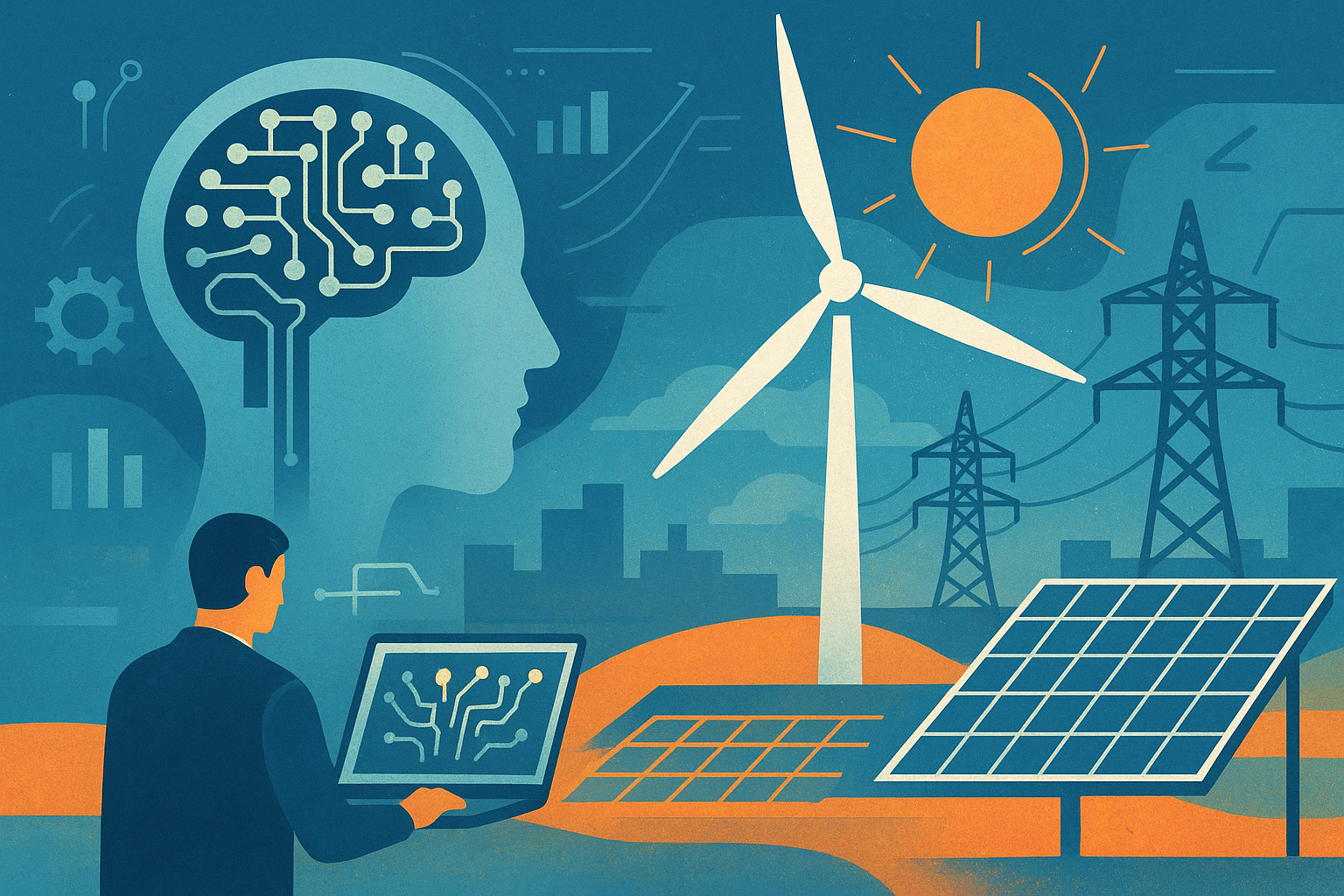
This blog explores the transformative role of Artificial Intelligence (AI) in modern energy management. It delves into the various applications of AI across the energy sector, including optimizing energy consumption, enhancing grid efficiency, predicting energy demand, and facilitating the integration of renewable energy sources. The blog also discusses the challenges and opportunities associated with implementing AI-driven solutions in energy management, highlighting the potential for a more sustainable and efficient energy future.
Introduction
Energy management is a critical aspect of modern society, encompassing the efficient and sustainable use of energy resources. Traditional energy management systems often rely on manual processes and historical data, which can be inefficient and unable to adapt to dynamic changes in energy demand and supply. Artificial Intelligence (AI) offers a powerful set of tools and techniques to overcome these limitations, enabling more intelligent, automated, and data-driven energy management practices.
Applications of AI in Energy Management
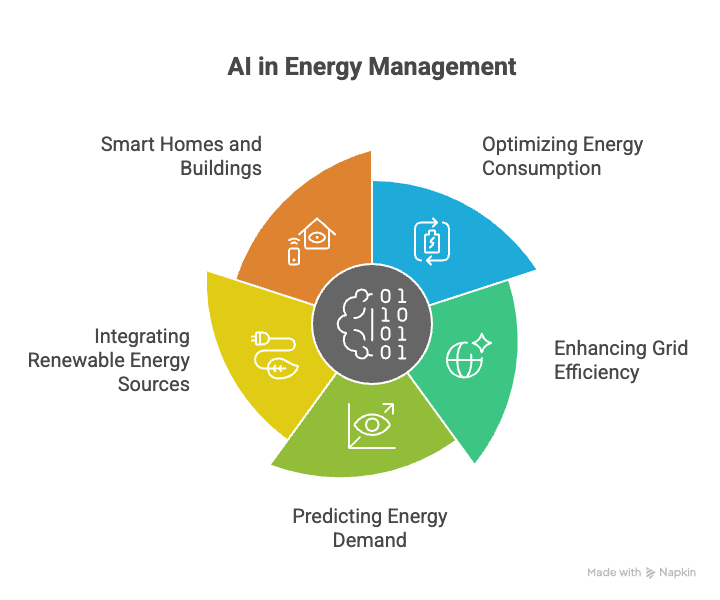
AI is being applied across various facets of the energy sector, revolutionizing how energy is generated, distributed, and consumed. Some key applications include:
1. Optimizing Energy Consumption
AI algorithms can analyze vast amounts of data from various sources, such as smart meters, sensors, and weather forecasts, to identify patterns and predict energy consumption patterns. This information can then be used to optimize energy usage in buildings, industrial facilities, and even entire cities.
- Building Energy Management: AI-powered building management systems can automatically adjust heating, ventilation, and air conditioning (HVAC) systems based on occupancy patterns, weather conditions, and energy prices, minimizing energy waste and maximizing comfort.
- Industrial Energy Optimization: AI can analyze industrial processes to identify areas where energy consumption can be reduced, such as optimizing machine operations, scheduling production runs, and managing equipment maintenance.
- Smart Grids and Demand Response: AI can facilitate demand response programs by predicting peak energy demand and incentivizing consumers to reduce their energy consumption during these periods, reducing strain on the grid and preventing blackouts.
2. Enhancing Grid Efficiency
AI can play a crucial role in improving the efficiency and reliability of energy grids.
- Predictive Maintenance: AI algorithms can analyze sensor data from grid infrastructure, such as transformers and power lines, to predict potential failures and schedule maintenance proactively, preventing costly outages and extending the lifespan of equipment.
- Fault Detection and Diagnosis: AI can quickly detect and diagnose faults in the grid, enabling rapid response and minimizing downtime.
- Grid Optimization: AI can optimize the flow of electricity through the grid, reducing transmission losses and improving overall efficiency.
3. Predicting Energy Demand
Accurate energy demand forecasting is essential for efficient energy planning and resource allocation. AI algorithms can leverage historical data, weather forecasts, and other relevant factors to predict future energy demand with high accuracy.
- Short-Term Forecasting: AI can predict energy demand for the next few hours or days, enabling utilities to adjust generation and distribution accordingly.
- Long-Term Forecasting: AI can predict energy demand for the next few months or years, informing long-term energy planning and investment decisions.
4. Integrating Renewable Energy Sources
Renewable energy sources, such as solar and wind power, are inherently intermittent, posing challenges for grid stability. AI can help to mitigate these challenges by:
- Predicting Renewable Energy Generation: AI can predict the output of solar and wind farms based on weather forecasts, enabling utilities to anticipate fluctuations in renewable energy supply and adjust other generation sources accordingly.
- Optimizing Energy Storage: AI can optimize the operation of energy storage systems, such as batteries, to store excess renewable energy during periods of high generation and release it during periods of low generation, smoothing out the variability of renewable energy supply.
- Smart Inverters: AI-powered smart inverters can dynamically adjust the output of solar panels to match grid conditions, improving grid stability and maximizing the integration of solar energy.
5. Smart Homes and Buildings
AI is transforming homes and buildings into intelligent energy management hubs.
- Smart Thermostats: AI-powered thermostats learn user preferences and automatically adjust temperature settings to optimize energy consumption and comfort.
- Smart Lighting: AI can control lighting systems based on occupancy and ambient light levels, reducing energy waste.
- Appliance Control: AI can optimize the operation of appliances, such as washing machines and dishwashers, to minimize energy consumption and take advantage of off-peak energy prices.
Challenges and Opportunities
While AI offers significant potential for revolutionizing energy management, there are also challenges that need to be addressed.
Challenges
- Data Availability and Quality: AI algorithms require large amounts of high-quality data to train effectively. In some cases, data may be scarce, incomplete, or inaccurate, hindering the performance of AI models.
- Cybersecurity: AI-powered energy management systems are vulnerable to cyberattacks, which could disrupt energy supply and compromise sensitive data.
- Integration with Existing Infrastructure: Integrating AI solutions with existing energy infrastructure can be complex and costly.
- Lack of Expertise: Implementing and maintaining AI-powered energy management systems requires specialized expertise, which may be in short supply.
- Regulatory Hurdles: Regulations may not keep pace with the rapid advancements in AI, creating uncertainty and hindering the adoption of AI-driven solutions.
Opportunities
- Increased Efficiency and Sustainability: AI can significantly improve energy efficiency and reduce greenhouse gas emissions, contributing to a more sustainable energy future.
- Reduced Costs: AI can help to reduce energy costs for consumers and businesses by optimizing energy consumption and improving grid efficiency.
- Enhanced Reliability: AI can improve the reliability of energy supply by predicting and preventing outages.
- New Business Models: AI can enable new business models in the energy sector, such as energy-as-a-service and virtual power plants.
- Innovation: AI can drive innovation in the energy sector, leading to the development of new technologies and solutions.
Conclusion
AI is poised to play a transformative role in energy management, enabling more efficient, sustainable, and reliable energy systems. By leveraging the power of AI, we can optimize energy consumption, enhance grid efficiency, predict energy demand, and facilitate the integration of renewable energy sources. While there are challenges to overcome, the opportunities for AI in energy management are vast, promising a more sustainable and efficient energy future for all. Continued research, development, and deployment of AI-driven solutions are essential to unlock the full potential of AI in the energy sector.