Background
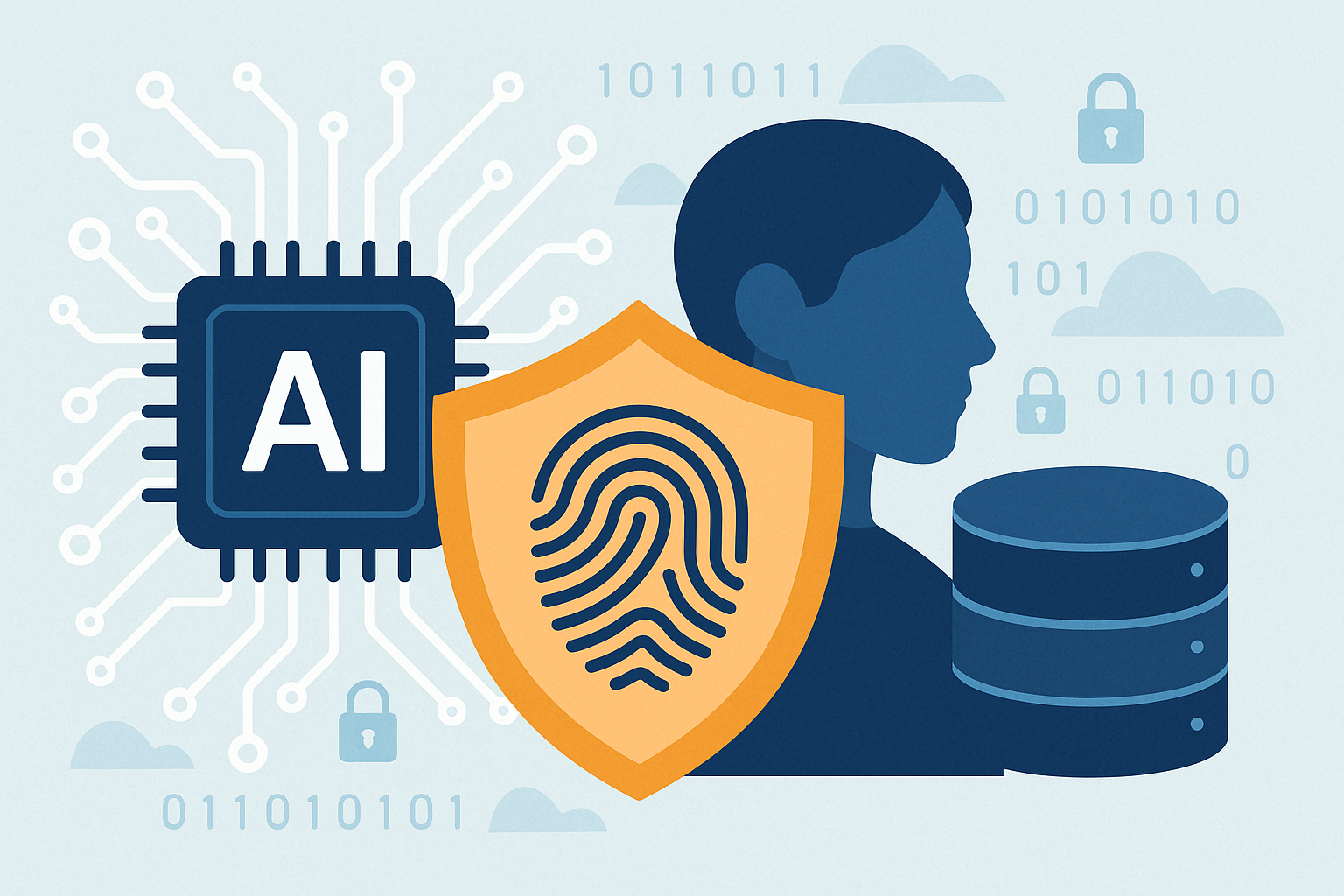
This blog explores the complex relationship between artificial intelligence (AI), the vast amounts of data it requires to function, and the critical importance of user privacy. It examines how AI systems rely on data collection and processing, the potential privacy risks associated with these practices, and the various approaches being developed to mitigate these risks and ensure responsible AI development and deployment.
The Symbiotic Relationship: AI and Data
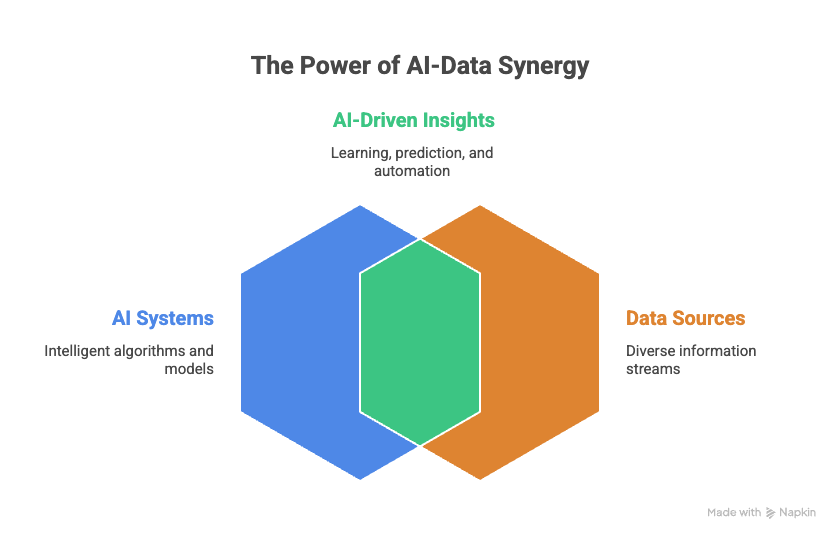
AI, particularly machine learning (ML), thrives on data. The more data an AI system has access to, the better it can learn patterns, make predictions, and perform its intended tasks. This data can come from various sources, including:
- User-generated content: Social media posts, online reviews, search queries, and other forms of content created by users.
- Sensor data: Information collected by sensors in smartphones, wearable devices, and other IoT devices, such as location data, health metrics, and environmental readings.
- Transaction data: Records of purchases, financial transactions, and other commercial activities.
- Publicly available data: Datasets released by governments, research institutions, and other organizations.
This data is used to train AI models, allowing them to recognize patterns, make predictions, and automate tasks. For example, a facial recognition system needs a large dataset of images to learn to identify individuals accurately. A language model needs vast amounts of text data to understand and generate human-like text.
Privacy Risks Associated with AI
While data is essential for AI development, its collection and use can pose significant privacy risks to individuals. These risks include:
- Data collection and aggregation: AI systems often collect data from multiple sources, creating comprehensive profiles of individuals. This aggregated data can reveal sensitive information about their interests, habits, and beliefs.
- Inference and prediction: AI can infer information about individuals that they may not have explicitly shared. For example, an AI system could predict a person’s political affiliation based on their online activity or their health status based on their purchasing habits.
- Discrimination and bias: AI models trained on biased data can perpetuate and amplify existing societal biases, leading to discriminatory outcomes. For example, a hiring algorithm trained on data that reflects historical gender imbalances may discriminate against female candidates.
- Lack of transparency and control: Individuals may not be aware of how their data is being collected, used, and shared by AI systems. They may also lack control over their data and the ability to correct inaccuracies or opt out of data collection.
- Security breaches: Data stored and processed by AI systems can be vulnerable to security breaches, potentially exposing sensitive personal information to unauthorized parties.
- Re-identification: Even anonymized data can sometimes be re-identified, linking it back to specific individuals. This can occur if the data contains unique identifiers or if it is combined with other publicly available data.
Mitigating Privacy Risks: Approaches and Techniques
Addressing the privacy risks associated with AI requires a multi-faceted approach involving technical solutions, legal frameworks, and ethical guidelines. Some of the key approaches include:
- Privacy-enhancing technologies (PETs): These technologies aim to protect user privacy while still allowing AI systems to learn from data. Examples include:
- Differential privacy: Adds noise to data to prevent the identification of individual records while still allowing statistical analysis.
- Federated learning: Trains AI models on decentralized data sources without requiring the data to be transferred to a central location.
- Homomorphic encryption: Allows computations to be performed on encrypted data without decrypting it.
- Data minimization: Collecting only the data that is strictly necessary for the intended purpose.
- Data anonymization and pseudonymization: Removing or masking identifying information from data.
- Transparency and explainability: Making AI systems more transparent and explainable, so that users can understand how they work and how their data is being used.
- User control and consent: Giving users more control over their data and the ability to consent to its collection and use.
- Privacy-preserving data sharing: Developing mechanisms for sharing data in a way that protects user privacy.
- Algorithmic fairness: Developing AI models that are fair and do not discriminate against certain groups of people.
- Legal and regulatory frameworks: Establishing clear legal and regulatory frameworks that govern the collection, use, and sharing of data by AI systems. Examples include the General Data Protection Regulation (GDPR) in Europe and the California Consumer Privacy Act (CCPA) in the United States.
- Ethical guidelines and principles: Developing ethical guidelines and principles for the responsible development and deployment of AI.
The Future of AI and Privacy
The relationship between AI and privacy is constantly evolving. As AI technology continues to advance, it is crucial to develop and implement effective strategies for protecting user privacy. This requires ongoing research, collaboration between stakeholders, and a commitment to ethical principles.
Some key areas of focus for the future include:
- Developing more advanced PETs: Researching and developing new PETs that offer stronger privacy guarantees and are more efficient to implement.
- Improving transparency and explainability: Making AI systems more transparent and explainable, so that users can understand how they work and how their data is being used.
- Promoting data literacy: Educating users about their data rights and how to protect their privacy.
- Strengthening legal and regulatory frameworks: Establishing clear legal and regulatory frameworks that govern the collection, use, and sharing of data by AI systems.
- Fostering ethical AI development: Promoting ethical principles and practices in the development and deployment of AI.
By addressing these challenges and opportunities, we can ensure that AI is developed and used in a way that benefits society while protecting the privacy and rights of individuals. The goal is to strike a balance between innovation and privacy, enabling the development of powerful AI systems while safeguarding fundamental human rights.