Background
This blog explores the transformative potential of AI-driven analytics in enhancing decision-making processes across various domains. It delves into the capabilities of AI in processing vast datasets, identifying patterns, and generating actionable insights, ultimately leading to more informed and effective decisions. We will examine the key benefits, challenges, and practical applications of integrating AI into analytical workflows.
Introduction
In today’s data-rich environment, organizations are constantly seeking ways to extract meaningful insights from the massive amounts of information available to them. Traditional analytics methods often struggle to keep pace with the volume, velocity, and variety of data. This is where AI-driven analytics emerges as a powerful solution. By leveraging machine learning, natural language processing, and other AI techniques, organizations can automate data analysis, uncover hidden patterns, and generate predictions with greater accuracy and speed.
Key Benefits of AI-Driven Analytics
- Improved Accuracy and Precision: AI algorithms can identify subtle patterns and anomalies in data that humans might miss, leading to more accurate insights and predictions.
- Enhanced Efficiency and Speed: AI can automate repetitive analytical tasks, freeing up human analysts to focus on more strategic activities. This results in faster turnaround times and quicker decision-making.
- Data-Driven Insights: AI enables organizations to make decisions based on objective data rather than intuition or gut feeling. This leads to more informed and effective strategies.
- Personalized Experiences: AI can analyze customer data to create personalized experiences, such as targeted marketing campaigns and customized product recommendations.
- Predictive Capabilities: AI can predict future trends and outcomes based on historical data, allowing organizations to proactively address potential challenges and capitalize on emerging opportunities.
- Scalability: AI-driven analytics solutions can easily scale to handle large and complex datasets, making them suitable for organizations of all sizes.
Challenges of Implementing AI-Driven Analytics
- Data Quality and Availability: AI algorithms require high-quality, relevant data to function effectively. Organizations need to ensure that their data is clean, accurate, and readily accessible.
- Lack of Expertise: Implementing and managing AI-driven analytics solutions requires specialized skills in areas such as machine learning, data science, and software engineering.
- Integration Complexity: Integrating AI into existing analytical workflows can be complex and time-consuming. Organizations need to carefully plan and execute the integration process.
- Ethical Considerations: AI algorithms can perpetuate biases present in the data they are trained on. Organizations need to be aware of these ethical considerations and take steps to mitigate them.
- Explainability and Transparency: Some AI algorithms, such as deep learning models, can be difficult to interpret. Organizations need to ensure that they can explain how AI-driven decisions are made.
- Cost: Implementing and maintaining AI-driven analytics solutions can be expensive, requiring investments in software, hardware, and personnel.
Practical Applications of AI-Driven Analytics
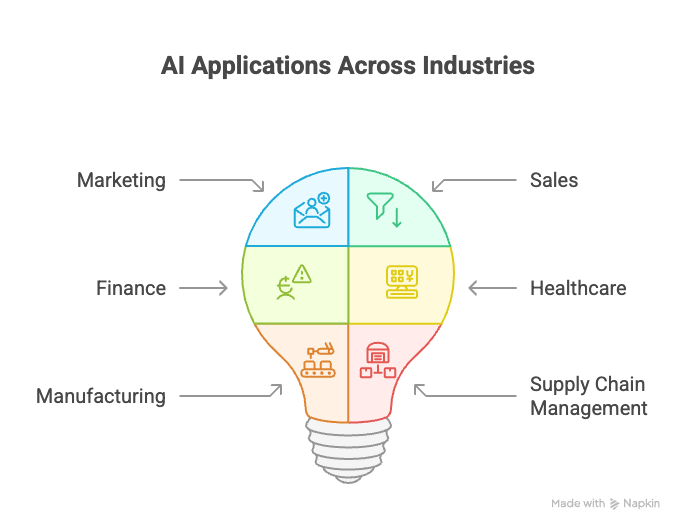
- Marketing: AI can be used to personalize marketing campaigns, optimize ad spending, and predict customer churn.
- Sales: AI can be used to identify promising leads, forecast sales, and improve sales performance.
- Finance: AI can be used to detect fraud, manage risk, and optimize investment portfolios.
- Healthcare: AI can be used to diagnose diseases, personalize treatment plans, and improve patient outcomes.
- Manufacturing: AI can be used to optimize production processes, predict equipment failures, and improve product quality.
- Supply Chain Management: AI can be used to optimize inventory levels, predict demand, and improve logistics.
Best Practices for Implementing AI-Driven Analytics
- Define Clear Objectives: Clearly define the business objectives that you want to achieve with AI-driven analytics.
- Start Small: Begin with a pilot project to test the waters and gain experience before scaling up.
- Focus on Data Quality: Ensure that your data is clean, accurate, and relevant to your business objectives.
- Build a Strong Team: Assemble a team of experts with the necessary skills in data science, machine learning, and software engineering.
- Choose the Right Tools: Select the AI-driven analytics tools that are best suited to your needs and budget.
- Monitor and Evaluate: Continuously monitor and evaluate the performance of your AI-driven analytics solutions and make adjustments as needed.
- Address Ethical Considerations: Be aware of the ethical implications of AI and take steps to mitigate potential biases.
Conclusion
AI-driven analytics offers tremendous potential for organizations to improve their decision-making processes and gain a competitive advantage. By leveraging the power of AI, organizations can unlock valuable insights from their data, automate analytical tasks, and make more informed decisions. While there are challenges to implementing AI-driven analytics, the benefits far outweigh the risks. By following best practices and addressing ethical considerations, organizations can successfully integrate AI into their analytical workflows and reap the rewards.